
European Roulette slots mix reel spins with roulette inspired bonuses, but the calculations behind them influences every session. We look at RTP, volatility, bonus mechanics and bet structures to paint a clear picture of long-term win rates. We’re not promising systems, just the concrete data that drives results.
Grasping the House Edge in European Roulette Slots
Player return (RTP) is the first number to check. Most titles range between 95% and 97%, giving a house edge of 3% to 5%. That’s greater than the 2.70% edge on single-zero table roulette because slot maths must support bonus features and jackpot pools. We always find the theoretical RTP in the game rules or paytable.
A 96% RTP is not a guarantee you get back £96 for every £100 wagered in a short session. It’s a statistical average over millions of spins. Your individual win rate can vary far above or below that figure depending on when free spins trigger or a high-value combination hits. The house edge is a slow grind, not a per-spin deduction.
Some European Roulette slots offer adjustable RTP settings, where the operator picks between, say, 94% and 96%. Consult the help file for a stated RTP range; if it’s missing, assume the lower end. A two-percentage-point gap alters expected losses from £400 to £600 over 10,000 spins at £1 per spin. That’s real money.
Stake Limits and Max Win Potential
The stake range on a European Roulette slot commonly starts at £0.20 or £0.25 per spin and climbs to £100 or £200, serving both recreational players and big spenders. Because paylines are fixed, the overall stake is simply the chosen coin value multiplied by the line count. We recommend starting at the lower side while you grasp the bonus rhythms, then increasing only when you’re confident with the volatility pattern you’re seeing.
Maximum win caps directly affect player win rate expectations. Most titles in this category promote a top payout of 5,000x to 10,000x your stake. A 5,000x cap on a £1 spin means the absolute maximum is £5,000, irrespective of how many multipliers stack. Some progressive jackpot editions push this figure higher, but fixed-limit games are far more common. Always check the cap in the game rules, because hitting it is statistically a rare event.
The presence of a max win cap also affects optimal bet sizing. If you’re chasing the top prize, betting £0.20 gives a maximum payout of £1,000 at 5,000x, while £2 per spin lifts that to £10,000. The RTP remains constant, but the actual cash value of the ceiling changes with your stake. We never raise our wager chasing a cap, but we do consider it in our session goals. Knowing the ceiling maintains realistic expectations.
The Function of Wild Symbols and How They Multiply
Wild symbols substitute for all regular paying symbols, aiding in completing or upgrade winning lines. Standard wilds commonly land on reels two, three and four, though some games include them on all five reels. A single wild can convert a near-miss into a full payline, and multiple wilds in one spin can yield surprisingly large base-game hits before any bonus triggers.
Multiplier wilds are a common twist. A wild carrying a 2x or 3x multiplier doubles or triples any win it participates in. If two https://www.bbc.com/sport/articles/cz7675rk639o multiplier wilds help form the same line, their values often combine creating 4x, 6x or even 9x boosts. Stacked multiplier wilds during free spins can elevate a single line win past 100x the total bet, dramatically shifting session win rate in one spin.
Expanding wilds that cover entire reels also occur, often linked to a specific reel or triggered randomly. A full reel of wilds secures multiple winning combinations across all active paylines. These features are rare in the base game, typically firing once every 300 to 500 spins, but they are a major contributor to the game’s overall return. Tracking how often you see expanding wilds offers a practical indication for whether the slot is running hot or cold.
Scatter Symbols and the Complimentary Spins Feature
Scatter icons are the key to the most profitable part of any European Roulette slot. Hitting three, four or five scatters in any position on the reels grants a set number of free spins, commonly 10, 15 or 20. Scatter icons don’t need to align on a payline, making the feature trigger feel more achievable. The typical wait between scatter triggers stands around 120 to 180 spins, although extreme variance can extend that to 300 or more.
During free spins, at least one upgrade is present. The most common is a win multiplier that applies to every payout, beginning at 2x and sometimes going higher with retriggers. Other games include extra wilds, remove low-paying symbols or bring in a special roulette wheel that rotates before each free game to grant an additional multiplier. These complex mechanics can transform a modest 10-spin feature into a bankroll-defining event.
Reactivating the free spins is usually possible by landing three more scatters during the feature. Some slots limit retriggers at a top number, such as 50 or 100 total free spins, while others allow unlimited retriggers. We always check the rules because unlimited retriggers with an rising multiplier create the hypothetical possibility of massive wins, even if the likelihood is incredibly small. That possibility feeds directly into the slot’s maximum win ceiling.
Risk level and Hit Frequency: How They Affect for Your Funds
Volatility defines how a slot spreads payouts. High-risk games deliver fewer wins but larger prizes when they land. Conservative versions hold you in the game with frequent small hits, though top-end potential is capped. Most roulette-themed slots lean medium-to-high because bonus rounds capture the tension of a spinning wheel.
Hit frequency indicates the percentage of spins that produce any win, even if it’s below your stake. In this genre we typically see hit rates between 22% and 28%, meaning roughly one in four spins pays something back. Those small returns hardly ever cover the spin cost. Real money comes from premium symbols or the roulette bonus feature, which may trigger only once every 150 to 200 spins on average.
We align volatility to our session budget. With £50 and an hour of entertainment, a high-volatility game could wipe out us in ten minutes without a feature. A lower-volatility title prolongs the bankroll but demands patience. Checking the paytable for the gap between highest and lowest symbol payouts gives a rough volatility clue: a 50x difference between five-of-a-kind premiums and low-tier symbols usually indicates higher variance.
Reel Configurations and Winning Line Setups
European Roulette slots typically use a five-reel, three-row grid, although four-row variants show up in modern releases. The standard 5×3 setup forms winning combinations from left to right on fixed paylines, usually 20 to 25. Every line is active on every spin, so your total stake is the line bet multiplied with the fixed line count.
Some developers swap out traditional paylines with a 243-ways-to-win mechanic. Matching symbols on adjacent reels from leftmost to right award regardless of exact position. This often increases hit frequency slightly, but symbol payouts are typically lower to compensate, keeping overall RTP within the same range.
The paytable features roulette-themed icons: chips, wheels, croupier figures and playing card suits. The top-paying symbol commonly awards between 10x and 25x your total bet for five on a payline. That could look modest, but the real value resides in bonus features. Understanding base-game symbol values assists you gauge how much RTP is loaded into feature rounds versus regular spins.
Wheel of Fortune Bonus Features and Instant Win Mechanics
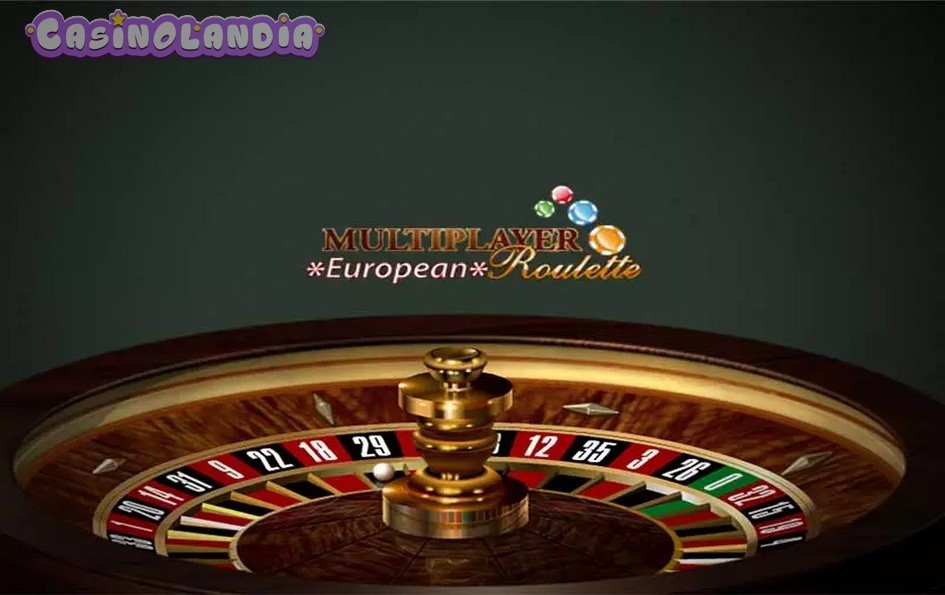
Many European Roulette slots feature a special roulette wheel bonus, separate from the free spins. It’s commonly triggered by landing bonus symbols on particular reels or collecting tokens over various spins. Once initiated, a roulette wheel appears on screen, segmented into segments that grant instant cash prizes, multipliers on the total bet, admission to a second-tier wheel or extra free spins. The wheel spin is animated, but the outcome is determined by a random number generator the instant the feature starts.
The prize segments on the wheel are proportioned. Larger cash values and higher multipliers fill fewer segments, while smaller prizes cover the majority. We’ve reviewed paytables where the top wheel prize is 500x the triggering bet, but the probability of hitting on that segment is below 1%. Understanding this weighting avoids the illusion of equal odds. The average payout from a wheel bonus usually falls between 15x and 40x the bet.
Some titles layer multiple wheels, where the first spin decides which of several wheels you move to. A bronze, silver and gold system is common, with the gold wheel holding the richest prizes. The expected value of the bonus round is baked into the overall RTP, so a flashy wheel doesn’t change the house edge. It simply shifts a portion of the return into a focused, high-excitement moment that can substantially swing your session win rate.
How to Play European Roulette Slot: A Complete Tutorial
Opening the game for the very first time, we usually review the paytable and rules screens before risking a single penny. The paytable displays symbol values, payline patterns and bonus trigger conditions. The rules page confirms RTP, volatility indicators if available, and any caps on free spins or win amounts. Spending two minutes here saves confusion later when a scatter lands and you’re not sure what it does.
Adjusting your bet is the next step. Employ the on-screen arrows or a bet selector to set the total stake per spin. Because paylines are fixed, you’re only choosing the coin value. We establish a session budget and divide it into at least 100 spins to provide the game room to breathe. If our budget is £40, a £0.40 spin size provides us 100 spins, a decent window to see a bonus round or two.
Hitting the spin button begins the reels. Most games also feature an autoplay function where you can set a number of spins and optional loss or win limits. We employ autoplay with a loss limit matching our session budget and a single-win stop if we achieve a target. This removes the temptation to chase losses manually. During free spins or bonus rounds, the game typically pauses autoplay and needs manual interaction, which is a good moment to reassess your position.
After each session, we review what happened. Did the bonus trigger within the expected range? Were base-game wins maintaining the balance stable or eating it fast? This reflective habit turns raw play into useful data. Over time, you create a personal feel for the slot’s rhythm, and that helps you determine whether to continue, switch stakes or walk away. No system defeats the maths, but disciplined observation improves your decision-making.
Examining Player Win Rate: Long-Term Expectations and Session Management
Player win rate is not a single number; it’s a distribution of possible outcomes determined by RTP, volatility and bonus frequency. Over 1,000 spins, a 96% RTP slot can easily return anywhere from 50% to 150% of your total wager, purely due to variance. We accept that short-term results are noisy and zero in on the metrics that repeat over thousands of spins. The house edge assures a long-term loss, but how that loss unfolds is what we control.
Bonus features contribute a substantial share of the overall RTP, often 30% to 40%. That means if you never trigger a feature in a session, your effective return can drop into the 60% to 70% range. Conversely, an early feature with a big multiplier can push your session return above 200% and keep it there. We follow feature frequency mentally; if we go 250 spins without a scatter trigger, the slot is operating at the unlucky end of its variance curve, and it may be wise to reduce stakes or switch games.
Bankroll management is the concrete expression of win rate analysis. We define a hard stop-loss at 50% of our session budget and a take-profit target at 150% of the starting balance. When any is hit, we end the session. This discipline doesn’t change the RTP, but it shields us from the destructive tail of the distribution where losses compound. Over many sessions, this approach balances the experience and maintains the game entertaining rather than economically stressful.
We remind ourselves that every spin is independent. Past results don’t affect future outcomes. A slot that hasn’t awarded a bonus in 300 spins isn’t “due”; it’s simply exhibiting the cold side of its programmed variance. Understanding this theoretically is easy; feeling it in the moment is hard. That’s why we rely on pre-set limits and session rules, not gut instinct, to control our play. The maths is the only reliable guide.
Common Questions
What RTP can I expect from a European Roulette slot?
Many European Roulette slots feature an RTP between 95% and 97%, which is lower than the 97.30% of single-zero table roulette. The exact figure is always displayed in the game’s information or paytable section. We recommend checking this before you play, as some operators may offer the same title at different RTP settings.
Is it possible to boost my win rate using a betting system?
No wagering strategy can alter the house edge or the slot’s programmed RTP. Progressive wagering systems like the Martingale simply change the pattern of wins and losses, not the fundamental mathematics. Over a large sample, your results will match the theoretical payout, no matter how you change your stake between spins.
How often do the free spins trigger?
Free spins commonly occur roughly every 120 to 180 spins on average, although the actual interval can vary widely. Some sessions may have two rounds within 50 spins, while others extend past 300 without a scatter symbol landing. The hit rate for the scatter icon is commonly listed in the game instructions, providing you a clearer estimate.
What is the top win on a European Roulette machine?
Maximum win caps usually fall from 5, European Roulette app Great Britain, 000x to 10,000x your total wager per spin. A few titles offer bigger caps through progressive jackpots or unlimited retrigger mechanics. The cap is always specified in the game’s rules, and hitting it is an very rare statistical event.
Does the roulette bonus wheel use fair odds?
The wheel bonus is powered by a random number generator, and the segments are weighted. Higher prizes take up fewer segments, so the wheel isn’t skysports.com a game of equal probability. The anticipated payout of the bonus round is factored into the total RTP, ensuring the game remains fair in overall even if separate wheel spins seem uneven.